Sushi culture
Sushi represents far more than raw fish atop seasoned rice. It embodies centuries of cultural evolution, philosophical depth, and artistic refinement that transform a simple meal into a profound experience. Understanding sushi culture means appreciating the intricate relationship between history, craftsmanship, regional identity, and the delicate choreography of dining etiquette that governs each encounter at the counter.
This exploration reveals the foundations that shaped sushi from ancient preservation techniques to contemporary culinary art. You’ll discover how regional traditions created distinct styles, why the craftsman’s spirit defines authentic preparation, and how every element—from the wood grain of the counter to the sequence of each bite—contributes to an experience designed to engage all five senses in perfect harmony.
The Historical Journey of Sushi Culture
The story of sushi begins not in Japan, but in the rice paddies of Southeast Asia over a millennium ago. The original form, known as nare-zushi, served purely as a preservation method where fish fermented in rice for months or even years. This technique migrated along trade routes, arriving in Japan where it evolved into something entirely different from its origins.
Buddhism’s arrival in Japan profoundly influenced sushi’s development. The religion’s prohibition against consuming four-legged animals created a cultural emphasis on seafood that persists today. This religious foundation transformed what began as practical food preservation into a culinary tradition deeply connected to Japanese identity and seasonal awareness.
The transformation from street food to luxury dining reveals sushi culture’s remarkable adaptability. What once served as quick sustenance for working-class Edo citizens has ascended to represent refined dining worldwide, yet this evolution hasn’t erased sushi’s accessible roots. Understanding this journey helps dispel common myths about sushi always being expensive or exclusively formal—historically, it was designed to be eaten quickly with your hands while standing at a street stall.
The Edo Period: Birth of Modern Sushi
The bustling streets of Edo (modern-day Tokyo) during the nineteenth century witnessed a culinary revolution that created the sushi we recognize today. Several technological and economic factors converged to make this transformation possible, fundamentally changing both the preparation method and consumption experience.
The Vinegar Innovation
The increased availability of rice vinegar eliminated the need for months-long fermentation. Chefs discovered they could achieve the desired tangy flavor by seasoning rice directly, reducing preparation time from months to minutes. This breakthrough made sushi viable as fast food—Edo’s equivalent of modern food trucks serving hungry workers seeking quick, satisfying meals.
The Nigiri Shape Emerges
Hanaya Yohei is often credited with perfecting the nigiri form: a hand-pressed oblong of seasoned rice topped with fresh fish. This format offered perfect portion control, could be eaten in two bites, and showcased the fish’s quality. The shape itself was ergonomic—designed to be picked up easily with fingers and consumed immediately while standing at outdoor stalls.
Working Without Refrigeration
The absence of modern refrigeration shaped techniques still respected today. Fish required curing, marinating, or other preservation methods to ensure safety and enhance flavor. Techniques like kobujime (kelp curing) or light vinegar marinades weren’t merely stylistic choices—they were practical necessities that evolved into hallmarks of craftsmanship. Even the development of soy sauce during this period responded to the need for flavor enhancement and food safety.
Regional Traditions: Kansai and Edo Styles
Japan’s distinct regional cultures produced fundamentally different approaches to sushi preparation, each reflecting local values, available ingredients, and historical circumstances. These traditions remain vital touchstones in understanding sushi’s diversity.
Kansai’s Pressed Tradition
The Osaka region developed oshi-zushi (pressed sushi), created using wooden molds called oshibako. This method layers cured fish with seasoned rice, pressing them together to create dense, rectangular blocks later cut into individual pieces. The technique requires particular attention to structural integrity—each layer must compress evenly to prevent the block from crumbling when sliced.
Saba-zushi (mackerel sushi) exemplifies Kansai’s preservation expertise. The fish undergoes salting and vinegar curing before being pressed with rice and wrapped in kelp. This process not only preserves the mackerel but also develops complex flavors through controlled fermentation, creating a taste profile entirely different from Edo-style fresh preparations.
Edo’s Fresh Philosophy
Edo-style sushi prioritized immediacy and freshness. The nigiri format celebrated the fish’s natural qualities with minimal intervention, relying on the chef’s skill to select peak-season ingredients and prepare them moments before serving. This tradition valued spontaneity and the intimate relationship between chef and diner, contrasting with Kansai’s more methodical, preparation-intensive approach.
The Shokunin Spirit: Mastery Through Dedication
The concept of shokunin—often translated as “craftsman” but carrying deeper implications of complete dedication to one’s craft—forms the philosophical core of sushi culture. This spirit extends beyond professional chefs to inform how anyone might approach cooking and food appreciation with greater intentionality.
Observing a master’s movements at the counter reveals this philosophy in action. Every motion serves a purpose: the angle of the knife, the pressure applied when forming rice, the precise moment fish is sliced. These aren’t performative gestures but the visible results of decades spent refining technique until skill becomes intuition. The shokunin doesn’t simply make sushi—they embody the accumulated wisdom of their lineage.
Adopting shokunin principles in daily cooking means treating even simple tasks with focused attention. It suggests using the sharpest knife you own, considering ingredient seasonality, and approaching preparation as a practice worthy of continuous improvement rather than a mere chore. This mindset transforms routine cooking into an opportunity for mindfulness and incremental mastery.
The Art of Experiencing Sushi Through the Senses
Authentic sushi culture engages all five senses simultaneously, creating a holistic experience where each sensory element reinforces the others. Understanding this multisensory design deepens appreciation and guides proper engagement with the meal.
Visual Observation
Watch the chef’s hands and movements. Notice the fish’s color, texture, and sheen. Observe how each piece is positioned on your plate. Visual engagement begins before tasting and provides clues about freshness, quality, and the chef’s intentions for each serving.
Aroma and Temperature
Sushi should be served at human body temperature—neither cold from refrigeration nor warm. This temperature allows the fish’s natural aromas to bloom without being suppressed. The scent of wasabi, the ocean essence of fresh fish, and the subtle vinegar notes from the rice create an olfactory preview of each bite’s flavor complexity.
Tactile Awareness
Whether using chopsticks or fingers (both are acceptable), notice the texture: the slight resistance of fish, the gentle give of rice that should hold together without being compressed into a hard mass. Temperature variations between components add tactile interest—cool fish against room-temperature rice creates textural contrast.
Optimal Sequencing
Progress from lighter, delicate flavors toward richer, more assertive tastes. This progression prevents palate fatigue and allows you to appreciate subtle differences. Beginning with white fish, moving through medium-rich options, and concluding with bold flavors like mackerel or sea urchin follows the meal’s natural narrative arc.
Etiquette at the Sushi Counter
Understanding proper behavior at the counter isn’t about rigid formality—it’s about respecting the craft, the space, and fellow diners while optimizing your own experience. These guidelines reflect practical wisdom accumulated over generations.
Hands Versus Chopsticks
Traditional nigiri sushi was designed to be eaten with fingers, and this remains perfectly acceptable. Chopsticks work well for sashimi and certain types of sushi, but fingers provide better control and prevent pieces from falling apart. Choose whichever method feels most comfortable while handling each piece gently.
Soy Sauce Application
Dip fish-side down, never rice-side down, using minimal soy sauce. The rice absorbs liquid quickly and can disintegrate, creating an unpleasant texture and disrespecting the chef’s careful rice preparation. Many pieces come pre-seasoned with nikiri (sweet soy reduction) and require no additional sauce.
The Wasabi Taboo
Mixing wasabi into your soy sauce is considered poor form because the chef has already placed the appropriate amount between fish and rice. This mixture also makes it impossible to control the wasabi intensity for each different fish type, which requires varying amounts based on its flavor strength and fat content.
Chef Interaction and Timing
Consume each piece within moments of receiving it. The chef times preparation so fish and rice reach optimal temperature and texture at the moment of serving. Extended delays affect both quality and the meal’s rhythm. Brief, respectful questions about ingredients or preparation are welcome, but lengthy conversations disrupt the chef’s focus and other diners’ experiences.
The Narrative Arc of an Omakase Meal
An omakase experience (chef’s choice) follows a carefully orchestrated progression designed to tell a story through flavor, building intensity gradually while managing satisfaction and preventing sensory overload.
The Flavor Curve
The meal typically begins with the most delicate flavors—perhaps lightly seasoned white fish or subtle shellfish—allowing your palate to acclimate. Intensity builds through the middle courses as richer fish appear, reaching a climax with the boldest flavors before descending toward a gentle conclusion.
Intermezzo Elements
Between certain courses, you might receive palate cleansers: pickled ginger (gari), a light soup, or a simple vegetable preparation. These aren’t mere breaks—they reset your taste receptors, preparing you to fully appreciate the next flavor profile without interference from previous courses.
Reading Satiety Signals
The chef monitors your pace and appetite, adjusting portion sizes and progression accordingly. Trust this observation rather than forcing yourself to finish everything if genuinely full. The meal’s structure should leave you satisfied but not uncomfortably stuffed—the Japanese concept of hara hachi bu (eating until 80% full) applies here.
The Tamago Conclusion
Traditionally, tamago (sweet egg omelet) signals the meal’s conclusion. This subtly sweet, mild piece provides a gentle landing after intense flavors, its slight sweetness serving as a dessert-like ending. Receiving tamago indicates the chef considers the narrative complete, though you can request specific pieces if desired.
The Sacred Space: Designing the Sushi-Ya
Every element of the traditional sushi-ya (sushi restaurant) is intentionally designed to enhance the dining experience through environmental psychology, creating an atmosphere that focuses attention and heightens sensory awareness.
Hinoki Wood and Natural Materials
The scent of hinoki (Japanese cypress) immediately signals entry into a dedicated space. This wood’s natural antibacterial properties made it practical for counters where raw fish is prepared, but its subtle aroma also creates psychological associations with purity and craftsmanship. Unvarnished wood requires constant maintenance but develops a patina reflecting the restaurant’s history and care.
The Counter as Barrier and Bridge
The counter simultaneously separates and connects chef and diner. This “barrier” creates a performance space—a stage where you observe the craft—while remaining intimate enough for direct interaction and immediate serving. The counter’s height, depth, and the chef’s position are carefully calibrated to optimize both viewing angles and efficient service.
Lighting and Acoustics
Lighting focuses attention on the preparation area and the food itself, often leaving peripheral spaces dimmer to minimize distractions. Acoustic design aims for a quiet environment where you can hear the chef’s knife work, conversations remain private despite proximity to other diners, and ambient noise doesn’t interfere with the meal’s meditative quality.
Understanding sushi culture transforms eating from simple consumption into meaningful participation in a living tradition. Whether you’re preparing sushi at home or visiting an authentic sushi-ya, recognizing the historical depth, regional diversity, philosophical foundations, and sensory intentionality behind each element allows you to engage more fully with this remarkable culinary art. The journey from ancient preservation technique to contemporary cultural treasure continues to evolve, inviting each generation to discover their own connection to sushi’s enduring appeal.

Why Do Chefs Sand Their Hinoki Counters Every Single Day?
The daily sanding of a hinoki wood counter is far more than simple cleaning. It is a foundational design ritual that intentionally tunes the entire sensory environment of a high-end sushi bar. This single act orchestrates scent, sight, sound, and…
Read more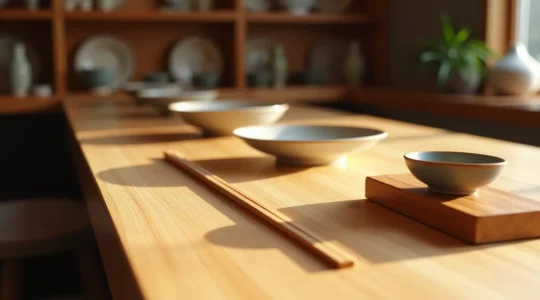
The Secret Rhythm of Omakase: How to Navigate a 12-Course Sushi Meal Without Palate Fatigue
Contrary to the belief that an omakase is just a long list of fish, it’s a meticulously designed sensory narrative. The feeling of being overwhelmed is a sign of losing the narrative thread, not a lack of appetite. This guide…
Read more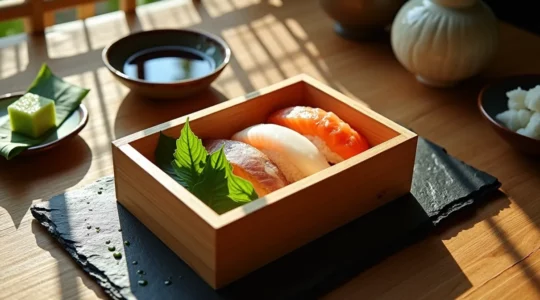
Why Pressed Oshizushi Lasts Longer Than Nigiri Without Refrigeration?
Oshizushi’s superior shelf life is not magic; it’s a deliberate system of Kansai culinary engineering designed for preservation and transport. Heavy curing with salt and vinegar drastically reduces water activity, creating an environment hostile to bacteria. Intense compression eliminates air…
Read more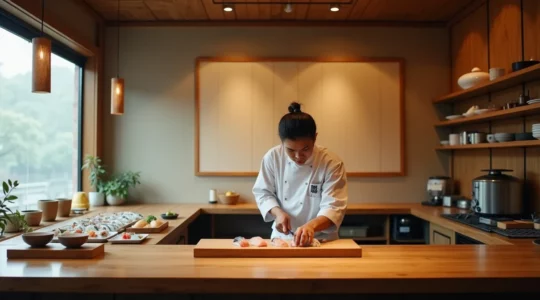
What Dining Etiquette Mistakes Offend Traditional Sushi Chefs?
True sushi etiquette is not about memorizing rules, but about showing respect for the chef’s carefully crafted sensory balance. Handle nigiri gently (often with fingers) and dip only the fish side to preserve the rice’s delicate texture and temperature. Never…
Read more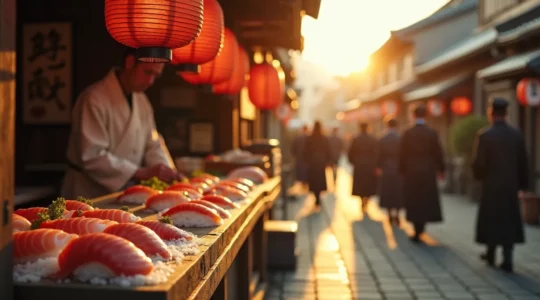
Forged in Fire and Vinegar: How Edo’s Urban Chaos Shaped the Sushi We Eat Today
The belief that the best sushi is the ‘freshest’ sushi is a modern myth; the soul of authentic sushi lies in the Edo-era art of ‘work’—curing, marinating, and aging fish to perfection. Cheap, mass-produced red vinegar (akazu) and the rise…
Read more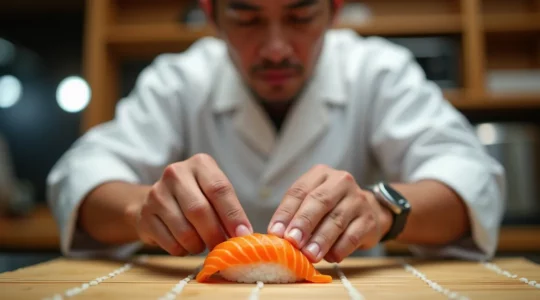
Why Understanding Sushi Heritage Changes How You Taste Nigiri?
Contrary to popular belief, the essence of sushi isn’t just “freshness.” Its true genius lies in a deep history of preservation, where techniques like aging, fermentation, and even the use of wasabi were born from necessity, not just the pursuit…
Read more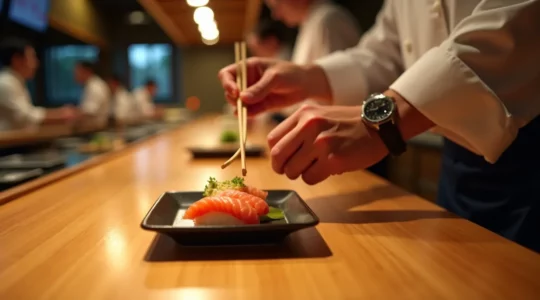
How to Elevate Your Sensory Dining Experience at a High-End Sushi Counter?
The true art of enjoying omakase isn’t about following rules, but about learning to decode the chef’s culinary performance. Every element, from the temperature of the rice to the focused lighting, is a deliberate choice designed to heighten your sensory…
Read more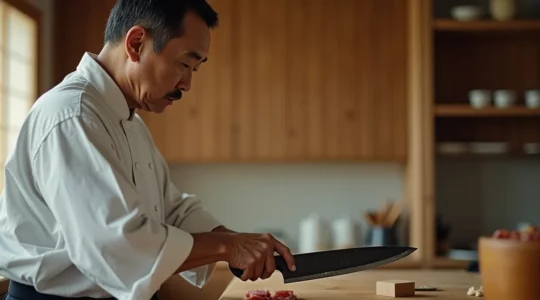
Why Do Japanese Culinary Traditions Demand Strict Discipline in the Kitchen?
Contrary to the popular Western belief that Japanese cuisine is solely obsessed with ‘freshness,’ its true discipline lies in a much deeper philosophy forged in the Edo period. This is not a world of sterile rules but a dynamic interplay…
Read more