
Japanese sushi craftsmanship and authentic recipes
Deep within culinary traditions lies a practice where gourmet simplicity meets precision. Itamae professionals dedicate decades to perfecting vinegared shari rice and raw ingredients, creating a sensory dining experience.

Origins from Edo-period to modern fine dining
Understanding the cultural heritage of sushi
Originally developed for preserving fish, this dish evolved significantly during the Edo period. Vendors served Edo-mae style fish on hand-pressed sushi rice, creating traditional fast food that became a global icon of refined gastronomy.
Dining etiquette plays a crucial role. Patrons consume nigiri pieces by hand to maintain rice temperature, dipping only the fish slice into soy sauce to preserve the structural integrity.
The Omakase concept represents the pinnacle of trust. The itamae selects seasonal offerings, orchestrating a Chef's choice menu that reflects the catch of the day and subtle flavor nuances defining authentic Japanese hospitality.
Exploring distinct varieties and homemade sushi recipes
Nigiri excellence
Hand-pressed vinegared rice balls topped with sashimi-grade fish require precise shaping techniques.
Maki rolls
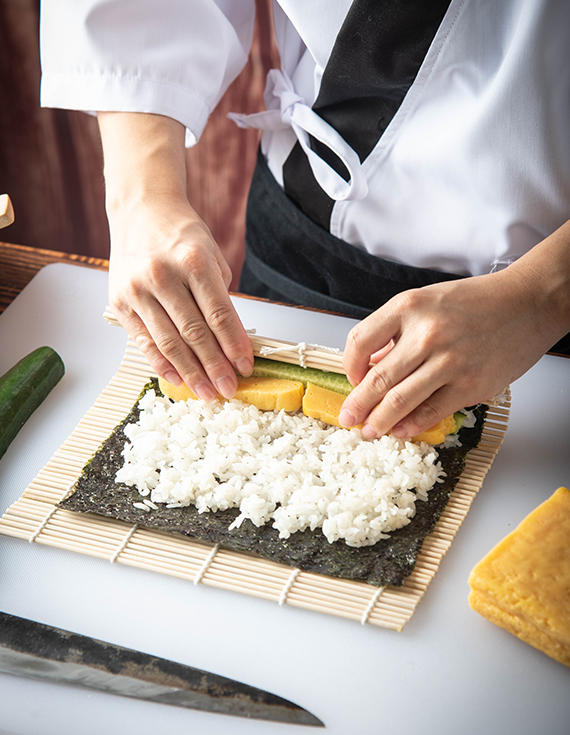
Fresh fillings rolled in nori sheets via a bamboo makisu mat ensure balanced textures.
Sashimi purity
Premium cut raw seafood served rice-free lets the natural umami flavors and texture shine.
Temaki cones
Crisp nori cones holding shari rice and vegetables offer a casual hand-rolled dining method.
Uramaki style
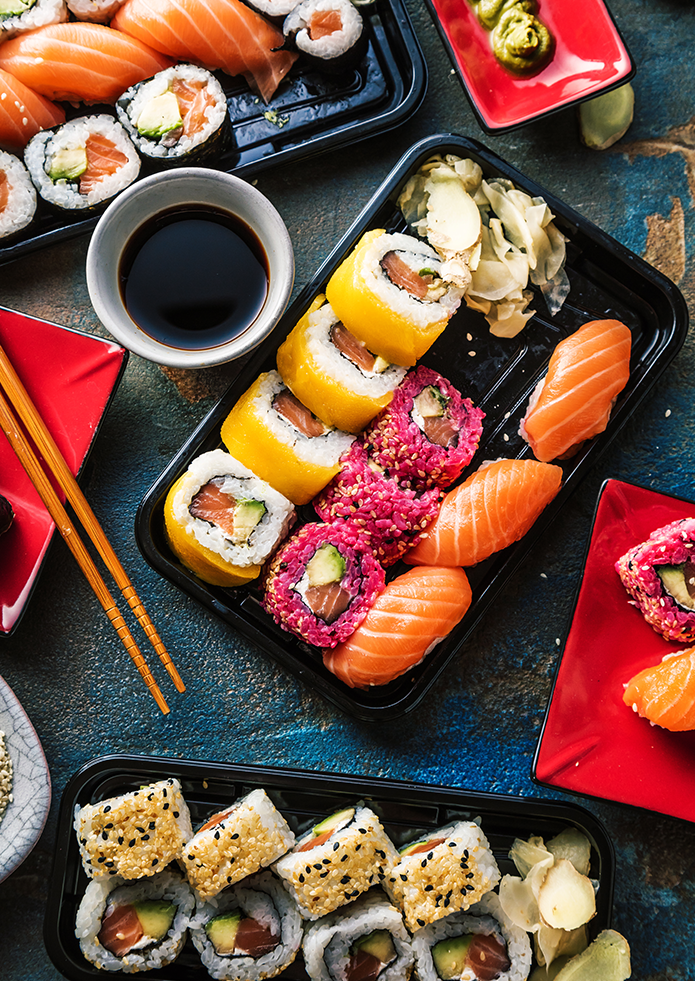
Inside-out rolls with toasted sesame seeds provide a unique textural inversion for fusion dishes.
Chirashi bowls
Seasoned rice bowls covered in assorted sashimi and garnishes act as a scattered seafood jewel box.
Selecting premium ingredients for authenticity


Japanese cuisine pairings and beverage harmony
To complete the gastronomic journey, traditional accompaniments like miso soup warm the palate. Premium sake, served either chilled or warm depending on the grade, complements the fish oils, while crisp green tea aids digestion and refreshes the senses after a rich meal.
Mastery of techniques and professional expertise
The art of sashimi knife skills
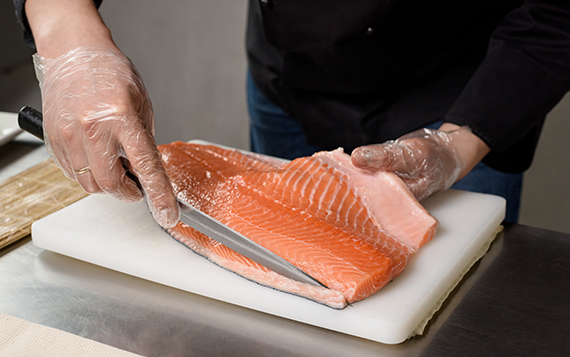
Using a carbon-steel Yanagiba, chefs execute single-stroke cuts to preserve cellular integrity. This precision slicing ensures smooth texture, directly influencing the umami release and mouthfeel of the served portion.
Sushi rice preparation mastery
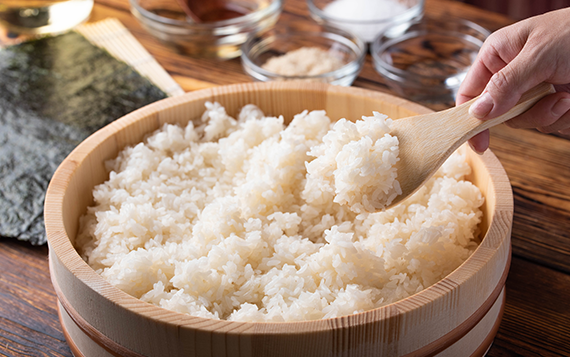
Rinsing grains to remove starch requires rhythmic sharigiri mixing. The cooling process involves fanning while folding in vinegar to achieve glossy shari that holds via gentle hand pressure.
Evolution of culinary traditions worldwide
From the wooden counters of Tokyo to high-end establishments in New York, the dedication to quality remains constant. Chefs continue to innovate while respecting history, sourcing sustainable seafood and adapting local ingredients to traditional methods. This dynamic evolution ensures that the craft remains vibrant, offering diners an endless exploration of taste, texture, and artistic presentation.