Japanese cuisine and pairings
Japanese cuisine represents far more than a collection of dishes—it embodies a sophisticated philosophy where ingredients, preparation methods, and dining rituals intertwine to create harmonious experiences. The relationship between food and beverage, the sequencing of flavors, and the strategic use of palate cleansers transform meals into carefully orchestrated journeys that respect both ingredient integrity and diner sensibility.
Understanding these pairing principles unlocks deeper appreciation for Japanese culinary traditions. From the trust-based dynamics of omakase dining to the scientific precision behind wasabi placement on fatty fish, each element serves a deliberate purpose. This knowledge empowers diners to navigate premium dining experiences with confidence while recognizing the thoughtful craftsmanship behind every course.
The Trust-Based Dining Philosophy
At the heart of Japan’s most refined dining experiences lies a unique relationship between chef and guest that challenges conventional restaurant dynamics. Rather than selecting individual dishes from a menu, diners entrust their entire culinary journey to the chef’s expertise and seasonal judgment.
Understanding the Omakase Model
The term omakase literally translates to “I’ll leave it up to you,” representing a dining structure where the chef curates the complete progression based on ingredient availability, seasonal timing, and perceived guest preferences. This differs fundamentally from kaiseki’s fixed ceremonial structure, which follows traditional seasonal courses in predetermined order. Think of omakase as a personalized concert where the performer reads the audience, while kaiseki resembles a classical symphony with established movements.
This model creates several practical implications for diners:
- Duration commitment: Sessions typically extend 90 minutes to three hours depending on the chef’s pace and course quantity
- Price transparency: Some establishments offer fixed pricing, while others quote open-ended ranges that can escalate with premium additions
- Limited control: Dietary restrictions should be communicated beforehand, but spontaneous modifications disrupt the intended flavor progression
Evaluating Value in Trust-Based Menus
The premium pricing of omakase experiences—often several hundred dollars per person—reflects not just ingredient cost but access to chef expertise, seasonal timing precision, and theatrical presentation. Premium ingredients like hon maguro tuna or wild-caught uni command significant wholesale prices, but the chef’s skill in aging fish properly, identifying peak ripeness, and executing precise cuts justifies much of the investment. The Michelin guide’s influence has simultaneously elevated standards while potentially encouraging presentation focus over pure flavor balance—a risk when visual spectacle overshadows taste fundamentals.
Mastering Sashimi Appreciation and Presentation
Raw fish served without rice allows pure expression of ingredient quality and knife technique. Sashimi appreciation requires understanding both the tasting sequence that protects palate sensitivity and the presentation conventions that guide visual harmony.
Cutting Techniques and Their Impact
The distinction between thick standard cuts and usuzukuri (paper-thin slicing) extends beyond aesthetics. Thick cuts suit fatty fish like salmon or toro, where substance allows the texture and marbling to coat the palate fully. Usuzukuri applies to firmer white fish such as flounder or sea bream, where thinness compensates for density and allows delicate flavors to register without chewiness. The garnish known as tsuma—typically shredded daikon—serves functional purposes: its mild astringency cleanses the palate between varieties, while its moisture prevents fish from drying under ambient air.
The Tasting Sequence That Preserves Palate Sensitivity
Proper sashimi progression moves from lean, delicate fish toward fatty, robust varieties. Starting with fatty tuna or mackerel overwhelms taste receptors, rendering subsequent mild fish like tai (sea bream) or hirame (flounder) virtually tasteless. The recommended sequence typically follows this pattern:
- White fish with subtle flavor (flounder, sea bass)
- Silver-skinned fish with moderate richness (horse mackerel, sardine)
- Salmon or medium-fatty tuna
- Fatty tuna or rich shellfish as the finale
The common error of drowning sashimi in soy sauce masks the fish’s natural sweetness and textural nuances. A light touch—either dipping just one edge or using a small brush—allows the soy’s umami to accentuate rather than dominate. Pairing wasabi with fatty fish follows scientific logic: the compound allyl isothiocyanate in wasabi cuts through lipids, cleansing the palate while the heat enhances rather than competes with rich fish oils.
Plating Conventions and Their Rationale
Traditional sashimi presentation follows deliberate compositional rules rooted in both aesthetics and practical dining considerations. The rule of odd numbers—typically three, five, or seven pieces per variety—creates visual asymmetry that the eye finds more dynamic than even groupings. Color gradation logic arranges varieties from light to dark, guiding the visual flow that mirrors the recommended tasting progression.
Physical separation between varieties prevents flavor migration and allows diners to select intentional sequences. Pre-slicing all fish simultaneously risks oxidation and temperature variation, which explains why premium establishments cut to order. When curating a multi-variety sashimi presentation at home or in restaurants, selecting varieties with contrasting textures (firm versus buttery) and varying soy sauce types (standard versus low-sodium, or even white soy) adds dimension to the tasting experience.
Beverage Pairing Fundamentals
Harmonizing drinks with Japanese cuisine’s subtle flavor profiles and sequential courses requires understanding how different beverages interact with raw fish, temperature’s role in taste perception, and when to avoid overpowering combinations.
Sake, Beer and Traditional Pairings
The conventional wisdom that sake pairs universally with sushi oversimplifies a nuanced relationship. Light, crisp junmai or honjozo styles complement delicate white fish without masking their subtlety, while fuller-bodied junmai ginjo varieties can stand up to richer preparations like grilled eel or fatty tuna. The key lies in matching sake’s body and acidity to the dish’s richness—think of it as balancing a seesaw where neither side overwhelms.
Beer, particularly Japanese lagers and wheat beers, offers carbonation that cleanses the palate between bites more aggressively than still sake. This makes beer particularly effective with fried preparations or heavily seasoned dishes, though its pronounced bitterness can clash with raw fish’s delicate sweetness. Temperature plays a critical role: warm sake (around 105°F) emphasizes umami and masks sharpness, making it suitable for earthier dishes, while chilled sake preserves crispness that suits raw preparations.
Wine Pairing With Raw Fish
Pairing wine with sushi challenges conventional red-wine-with-protein logic. Raw fish’s delicate flavors and absence of fat-based sauces demand wines with:
- High acidity to mirror rice vinegar and cleanse the palate
- Minimal oak influence that would overshadow subtle fish flavors
- Moderate alcohol levels (under 13%) to avoid heat that competes with wasabi
Crisp whites like Chablis, Albariño, or dry Riesling generally succeed, while light-bodied, chilled reds like Gamay can work with richer fish. The error of selecting overpowering drinks—heavily oaked Chardonnay or tannic Cabernet—creates flavor discord rather than harmony. For non-drinkers, options like kombucha, sparkling water with citrus, or cold-brewed hojicha tea provide complexity and palate-cleansing properties without alcohol.
Temperature’s Impact on Pairing Success
Temperature affects both taste perception and physical interactions with food. Cold beverages numb the palate slightly, reducing sensitivity to subtle flavors but also refreshing between bites. Warm drinks enhance aromatic compounds and umami perception. This explains why hot sake pairs well with winter dishes and grilled preparations, while chilled sake suits raw fish where clarity of flavor takes precedence. The principle of fat solubility also matters: warm liquids help dissolve fatty residue from rich fish more effectively than cold beverages, though carbonation in cold drinks provides mechanical cleansing through effervescence.
The Strategic Role of Palate Cleansing
Japanese cuisine’s extended tasting progressions require deliberate palate resets to prevent flavor fatigue and maintain taste sensitivity across multiple courses. This function extends beyond simple refreshment to physiological preparation for the next dish.
Miso Soup’s Digestive and Cleansing Functions
Traditional miso soup serves multiple strategic purposes in the meal structure. Its warm temperature and umami-rich dashi base (typically made from kombu seaweed and bonito flakes) stimulate digestive enzyme production while providing a savory baseline that doesn’t compete with raw fish. The distinction between red miso (aged, robust) and white miso (sweet, mild) determines placement: white miso suits beginnings of meals or alongside delicate fish, while red miso’s assertiveness works better as a transitional element before richer courses.
Shijimi clams, frequently added to miso soup, contribute the amino acid ornithine, traditionally believed to support liver function—though this remains more cultural belief than scientifically proven necessity. The soup’s warmth also prepares the palate for temperature contrasts with cold fish. One common error involves using a spoon: traditional etiquette suggests lifting the bowl to drink the broth, then using chopsticks for solid ingredients, as this method better preserves temperature and aromatics.
Agari Tea’s Specific Function in Sushi Dining
The coarse green tea called agari (or konacha) served at sushi restaurants differs significantly from ceremonial matcha or refined sencha. Made from tea leaf fragments and powder remaining after premium tea processing, it brews quickly, has higher caffeine content than full-leaf varieties, and produces a slightly astringent, robust flavor profile specifically designed to cut through fish oils.
The temperature factor proves scientifically relevant: hot liquids help dissolve fatty residue more effectively than cold beverages due to increased lipid solubility at higher temperatures. However, the commonly cited antibacterial properties of tea represent more myth than practical benefit in modern refrigerated sushi settings—proper fish handling matters far more than tea’s mild antimicrobial compounds. Awareness of agari’s higher caffeine content helps diners manage intake, particularly during evening meals.
Refill etiquette typically involves the server maintaining your cup—flagging attention for refills is acceptable, though the attentive service at premium establishments usually anticipates needs. The tea’s purpose extends throughout the meal as a continuous palate cleanser between pieces, not merely a concluding beverage.
Mastering these pairing principles—from trusting the omakase progression to understanding why wasabi suits fatty fish, and recognizing agari’s specific cleansing role—transforms Japanese dining from simple consumption into informed appreciation. Each element, whether a strategic sip of warm sake between courses or the sequence from lean to rich fish, contributes to a harmonious experience where ingredients, technique, and tradition align. This knowledge empowers diners to navigate premium establishments with confidence while cultivating deeper respect for the culinary philosophy underlying each carefully composed plate.
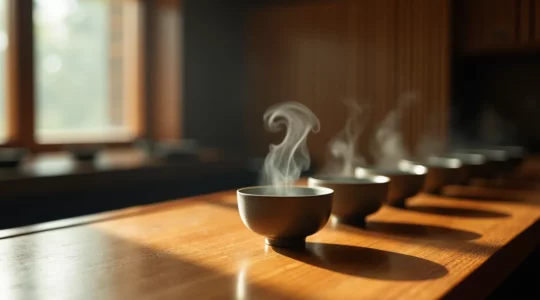
Why Extremely Hot Powdered Tea Is Essential for Sushi Digestion?
Contrary to common belief, the scalding tea at a sushi bar isn’t just for tradition or general digestion. It’s a functional tool, served at a precise temperature to extract catechins that dissolve the film of fish fat on your tongue,…
Read more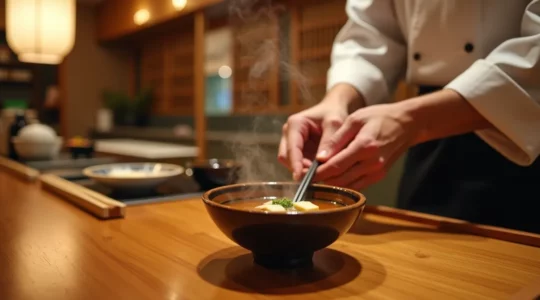
Why Traditional Sushi Shops Serve Miso Soup at the End, Not the Start?
Serving miso soup last isn’t a quirky tradition; it’s a deliberate act of digestive science designed to properly conclude the meal. The warmth of the soup emulsifies residual fish oils from the palate, acting as a chemical and thermal reset…
Read more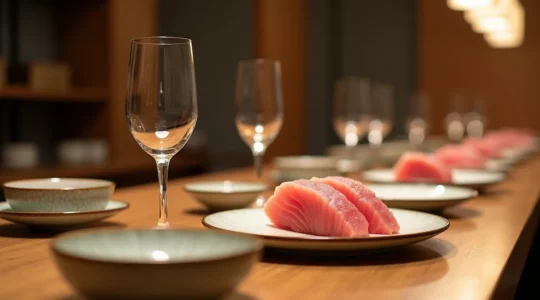
Junmai or Daiginjo: Which Sake Cuts Through Fatty Tuna Best?
The perfect drink pairing for sushi isn’t about a single “best” choice, but about a strategic progression that respects the meal’s flavor arc. Lean fish demands delicate drinks (like Daiginjo sake), while rich, fatty cuts require robust partners (like Junmai…
Read more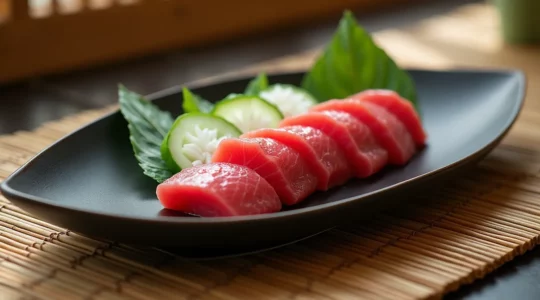
How to Arrange Assorted Sashimi to Prevent Flavor Contamination?
The common belief that sashimi arrangement is purely for visual appeal is a misconception; its primary, traditional purpose is to function as a system of sensory engineering that actively protects the flavor integrity of each fish. The placement of fish,…
Read more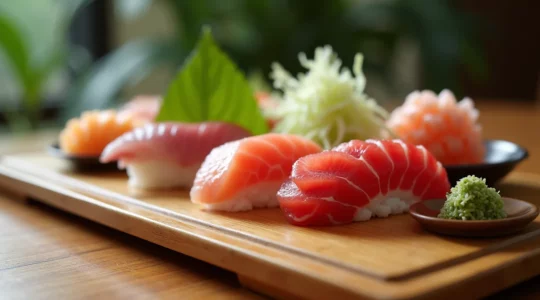
How to Appreciate Sashimi Purity Without Overusing Soy Sauce
Contrary to popular practice, the goal of sashimi accompaniments is not to add flavor, but to selectively reveal the fish’s own inherent purity and texture. The molecular structure of the fish, or its cellular integrity, is the source of all…
Read more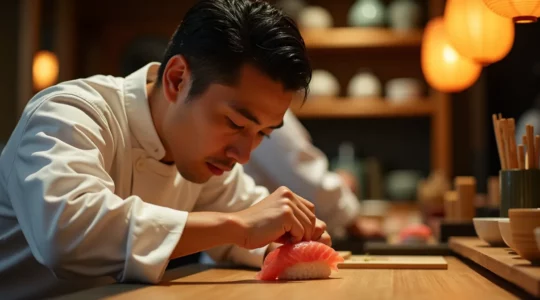
Is the Omakase Concept Worth the Premium Price for Beginners?
Omakase is a high-return but high-risk investment for your palate; its value depends entirely on your willingness to trade control for curation. The price reflects a 35-40% cost for premium ingredients and a 30% investment in the chef’s years of…
Read more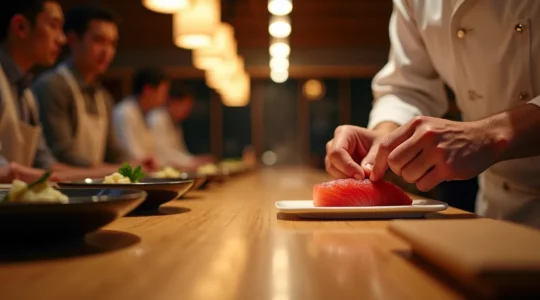
How Did Sushi Evolve Into a Refined Gastronomy Worth $300 a Plate?
The $300 price tag for a sushi dinner is not merely for fresh fish; it is the price of admission into a meticulously constructed global system of value, narrative, and artistry. Economic scarcity, driven by both auction theater and strict…
Read more