Blog
Japanese cuisine represents far more than a collection of recipes—it embodies a philosophy that harmonizes taste, nutrition, aesthetics, and respect for ingredients. For anyone beginning their journey into this culinary tradition, understanding the foundational principles that guide Japanese cooking unlocks a world of flavors, techniques, and cultural wisdom accumulated over centuries. Whether you’re drawn to the delicate balance of a well-crafted sushi roll or the comforting warmth of a homemade ramen bowl, grasping these core concepts will transform your approach to preparing Japanese dishes.
This comprehensive resource introduces the essential elements that make Japanese cuisine distinctive: from the principle of umami and seasonal ingredient selection to the traditional cooking methods that have been refined across generations. You’ll discover how simple ingredients, when treated with proper technique and respect, create dishes that satisfy both the palate and the eye. By exploring these foundations, you’ll gain the confidence to navigate Japanese recipes, select appropriate ingredients, and appreciate the cultural context that makes each dish meaningful.
The Five Pillars of Japanese Culinary Philosophy
Japanese cooking rests upon principles that extend beyond mere flavor combinations. These guiding concepts shape every aspect of meal preparation and presentation, creating a holistic approach to food that nourishes body and spirit alike.
Harmony and Balance in Every Dish
The concept of wa (harmony) permeates Japanese cuisine, manifesting in the careful balance of the five tastes: sweet, sour, salty, bitter, and umami. Unlike culinary traditions that emphasize bold, dominant flavors, Japanese cooking seeks equilibrium where no single element overwhelms the others. A typical home-cooked meal might include a subtly sweet simmered dish (nimono), a refreshing vinegared salad (sunomono), and a savory grilled fish, each component contributing to an overall balanced experience. This philosophy also extends to nutritional balance, with meals traditionally incorporating rice, protein, vegetables, and fermented foods in harmonious proportions.
Seasonality as a Guiding Principle
The Japanese concept of shun refers to the peak season when an ingredient offers its absolute best flavor and nutritional value. Spring bamboo shoots, summer eggplant, autumn matsutake mushrooms, and winter daikon radish aren’t just ingredients—they’re markers of time, connecting diners to the natural rhythm of the year. Respecting seasonality means purchasing ingredients at their prime, when they require minimal manipulation to shine. This approach not only delivers superior taste but also reduces the need for heavy sauces or complex preparations that might mask the ingredient’s inherent qualities.
Respect for Ingredients
The phrase “mottainai” expresses regret over waste and reflects the deep respect Japanese cuisine holds for every ingredient. This manifests in multiple ways: using fish bones for stock (dashi), pickling vegetable scraps, and employing cooking techniques that preserve the ingredient’s essential character rather than transforming it beyond recognition. When a chef selects a pristine piece of seasonal fish for sashimi, the goal is to honor that ingredient through precise knife work and minimal interference, allowing its natural flavor and texture to speak clearly.
Essential Ingredients That Define the Flavor Profile
While Japanese cuisine encompasses regional diversity and modern innovations, certain foundational ingredients appear consistently across dishes, creating the distinctive flavor profile that characterizes this culinary tradition.
The Umami Trinity: Dashi, Soy Sauce, and Miso
At the heart of Japanese cooking lies dashi, a delicate stock typically made from kombu (kelp) and katsuobushi (dried bonito flakes). This clear broth provides the umami foundation for countless dishes, from miso soup to noodle broths to simmered vegetables. Unlike Western stocks that require hours of simmering, dashi can be prepared in minutes, yet delivers profound depth of flavor. Complementing dashi are soy sauce (shoyu) and miso paste, both fermented products that contribute complex, savory notes. Light soy sauce enhances without darkening, while dark varieties add color and intensity. Miso ranges from sweet, mild white varieties to robust, aged red types, each suited to different applications.
Rice, Noodles, and the Grain Foundation
Short-grain Japanese rice serves as more than a side dish—it’s the central element around which meals are constructed. Properly cooked rice should be slightly sticky with individual grains that hold together without becoming mushy, achieved through careful washing, proper water ratios, and adequate resting time. Beyond daily table rice, specialized varieties exist for sushi (seasoned with vinegar, sugar, and salt) and rice balls (onigiri). Noodles provide another grain-based foundation, with udon (thick wheat noodles), soba (buckwheat noodles), and ramen (wheat noodles) each bringing distinct textures and culinary applications.
Fresh and Preserved Elements
Japanese cooking masterfully combines fresh, seasonal ingredients with preserved elements that add depth and complexity. Fresh components might include seasonal fish, vegetables, and tofu, while preserved ingredients extend to:
- Dried goods: Shiitake mushrooms, seaweed varieties (nori, wakame, hijiki), and dried fish products that concentrate flavors
- Fermented items: Pickled vegetables (tsukemono), fermented soybeans (natto), and sake lees (sake kasu) that introduce beneficial bacteria and complex tastes
- Seasonings: Mirin (sweet rice wine), rice vinegar, sesame oil, and sake that build layers of flavor
Core Cooking Techniques Every Home Cook Should Master
Japanese cooking techniques prioritize precise control, gentle treatment of ingredients, and methods that enhance rather than obscure natural flavors. Mastering these fundamental approaches opens the door to authentic Japanese home cooking.
The Art of Nimono: Simmering and Braising
Nimono encompasses dishes where ingredients simmer gently in seasoned broth until tender and infused with flavor. The technique follows a specific sequence: ingredients are first brought to a boil, then heat is reduced to maintain a gentle simmer, often with a dropped lid (otoshibuta) that keeps ingredients submerged and promotes even cooking. The seasoning liquid typically combines dashi, soy sauce, mirin, and sugar in balanced proportions. Common nimono dishes include braised daikon with chicken, simmered kabocha squash, and fish simmered in sweet soy sauce. The key lies in patience—allowing sufficient time for flavors to penetrate ingredients without overcooking them into mushiness.
Grilling and Pan-Frying Techniques
Japanese grilling (yakimono) emphasizes clean, direct heat that develops flavor while maintaining ingredient integrity. Fish might be salted and grilled until skin crisps and flesh remains moist, while vegetables are often grilled with minimal oil to concentrate their natural sugars. Teriyaki, one of the most recognized yakimono styles, involves grilling or pan-frying while basting with a sweet soy-based glaze that caramelizes into a glossy coating. Pan-frying techniques like tempura (light batter frying) require precise oil temperature control—typically around 340-360°F—to achieve the characteristic delicate, crispy coating without greasiness.
Knife Skills and Preparation Methods
Proper knife technique forms the foundation of Japanese cooking, where presentation matters as much as flavor. The Japanese kitchen knife tradition includes specialized blades for specific tasks, but home cooks can begin with a versatile santoku or gyuto knife. Essential cuts include:
- Thin slicing (usugiri): Paper-thin cuts for vegetables and proteins, essential for dishes like shabu-shabu
- Julienne (sengiri): Matchstick cuts that ensure even cooking and elegant presentation
- Diagonal cutting (naname-giri): Angled cuts that increase surface area for faster cooking and sauce absorption
- Rolling cut (rangiri): Rotating vegetables between cuts to create irregular shapes with maximum surface area
Understanding Traditional Meal Structure and Presentation
Japanese meals follow structural principles that create nutritional balance and aesthetic pleasure. The traditional format called ichiju-sansai (one soup, three sides) consists of rice, soup (typically miso soup), and three accompanying dishes: a main protein dish and two vegetable-based sides. This structure ensures dietary variety while maintaining reasonable portions. Each component occupies its own vessel, with careful attention to how colors, textures, and shapes interact visually across the table.
Presentation principles emphasize natural beauty and restraint. Food is arranged to suggest abundance without overcrowding the plate, often positioned to show the ingredient’s most attractive angle. Garnishes serve functional purposes—a shiso leaf provides aromatic contrast, while grated daikon aids digestion of fried foods. The choice of serving vessels matters deeply, with ceramics, lacquerware, and wood selected to complement the food’s color, temperature, and seasonal context. A cool glass dish might showcase summer tofu, while warm earthenware cradles winter stews.
Essential Kitchen Tools and Equipment
While Japanese cooking doesn’t require elaborate equipment, certain tools significantly improve results and make traditional techniques more accessible. A rice cooker eliminates the guesswork from preparing perfect rice, freeing attention for other dishes. A good chef’s knife (gyuto or santoku) with a sharp edge makes precise cutting effortless, while a donabe (ceramic pot) excels at slow simmering and one-pot dishes, retaining heat beautifully and adding rustic elegance to the table.
Other valuable tools include a bamboo sushi mat (makisu) for rolling sushi and shaping omelets, a Japanese mandoline for uniform vegetable slicing, and a tamagoyaki pan—a rectangular skillet designed specifically for making layered Japanese omelets. For those serious about dashi, a fine-mesh strainer ensures clarity in the finished stock. While traditional earthenware and cast iron have their place, modern home cooks can achieve excellent results with quality stainless steel and non-stick cookware, focusing more on technique than equipment.
Regional Diversity and Culinary Traditions
Japanese cuisine varies significantly across regions, shaped by local ingredients, climate, and historical influences. Understanding this diversity reveals that “Japanese food” encompasses far more than sushi and ramen. The Kansai region, centered around Osaka and Kyoto, favors delicate flavors and refined presentations, with lighter soy sauces and subtle seasonings that reflect the area’s historical role as the cultural capital. Kyoto’s Buddhist temple cuisine (shojin ryori) exemplifies vegetarian cooking elevated to an art form, demonstrating how plant-based ingredients can create satisfying, complex meals.
The Kanto region around Tokyo tends toward bolder flavors and darker soy sauces, with hearty dishes suited to the area’s cooler climate and historical working-class population. Northern regions like Hokkaido contribute seafood specialties and dairy products uncommon in traditional Japanese cooking, while southern areas like Kyushu feature influences from historical trade with China and Korea. Okinawa, with its subtropical climate and distinct cultural heritage, offers a cuisine rich in pork, bitter melon, and unique ingredients rarely seen on the mainland. This regional diversity means that exploring Japanese cuisine offers endless discovery.
Seasonal Cooking and the Connection to Nature
The Japanese culinary calendar moves through distinct seasons, each bringing signature ingredients and traditional dishes. Spring celebrates renewal with dishes featuring fresh bamboo shoots, wild mountain vegetables (sansai), and sakura-flavored treats that capture the ephemeral beauty of cherry blossoms. Summer demands cooling preparations: chilled noodles served on ice, refreshing pickled vegetables, and grilled dishes that don’t require long cooking times in the heat. The summer tradition of eel (unagi) consumption during the hottest period provides stamina-building nutrition when appetites might flag.
Autumn brings harvest abundance, with matsutake mushrooms, chestnuts, persimmons, and Pacific saury (sanma) taking center stage. Heartier preparations replace summer’s light fare as temperatures cool. Winter emphasizes warming one-pot dishes (nabe), root vegetables, and preserved foods. Hot pots might contain anything from delicate fish and tofu to robust meat and vegetable combinations, all simmered at the table for communal dining. This seasonal rhythm keeps meals interesting throughout the year while ensuring ingredients are consumed at peak quality, making seasonal awareness a cornerstone of authentic Japanese cooking.
By understanding these foundational principles, essential ingredients, and core techniques, you’ve taken the first step toward truly appreciating and creating Japanese cuisine. Each element—from respecting seasonal ingredients to mastering the delicate balance of flavors—contributes to a culinary tradition that rewards both the cook and the diner with nourishing, beautiful, and deeply satisfying meals. As you continue exploring specific recipes and regional specialties, these core concepts will serve as your guide, helping you make informed choices and develop your own connection to this rich culinary heritage.
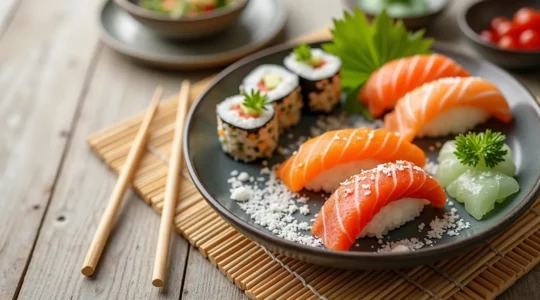
How to Eat Sushi Responsibly: A Guide to Ethical Choices Beyond ‘Don’t Eat Tuna’
Eating sushi responsibly isn’t about memorizing a list of “good” and “bad” fish; it’s about understanding the complex systems behind your plate. The status of iconic species like Bluefin Tuna is dynamic and varies dramatically by ocean, making blanket rules…
Read more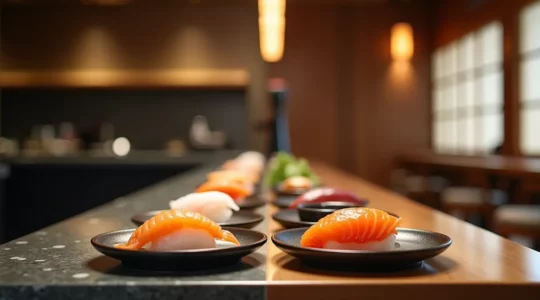
Why Does Omakase Cost 40% More in New York Than in Tokyo?
The steep price of a New York omakase is not arbitrary markup; it’s a direct reflection of quantifiable costs embedded in a transatlantic supply chain, specialized talent acquisition, and non-negotiable real estate pressures. Ingredient costs are magnified by sophisticated cold-chain…
Read more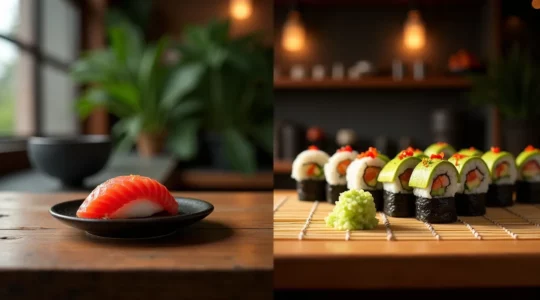
Is the ‘California Roll’ Considered Authentic Sushi Evolution or Distortion?
The debate over the California Roll’s authenticity is not about a simple “yes or no,” but about understanding a global story of culinary adaptation. Western ingredients like cream cheese and mayonnaise are “culinary translations,” replacing traditional fats to suit a…
Read more
How Authentic Japanese Hospitality Differs From Western Service Standards
Many travelers mistake Japanese hospitality, or omotenashi, for a superior version of Western service. The truth is, it’s a fundamentally different communication system. Where Western service is often verbal and transactional, authentic omotenashi operates on silent observation and mutual respect….
Read more
How to Embrace Omakase: A Guide to Navigating Chef’s Choice Menus Without Anxiety
The anxiety of a chef’s choice menu isn’t about the food; it’s about a loss of control. This guide reframes the omakase experience not as a culinary test, but as an exercise in “controlled surrender.” By learning to establish a…
Read more
Why Sushi Was Considered Fast Food in 19th Century Tokyo?
Contrary to its modern image as a luxury, sushi began as a large, cheap, and incredibly fast meal for workers in 19th-century Tokyo. Originally, nigiri pieces were three times larger and cost the equivalent of a dollar, serving as a…
Read more